







actually.
-
Lee the GuyMany obsessions. No apologies.
-
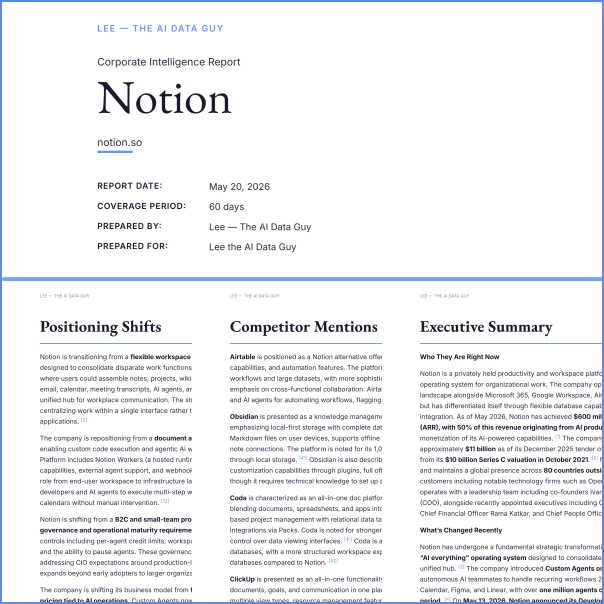
Lee the AI Data GuyThe Intelligence Layer Your Business Is Missing
-
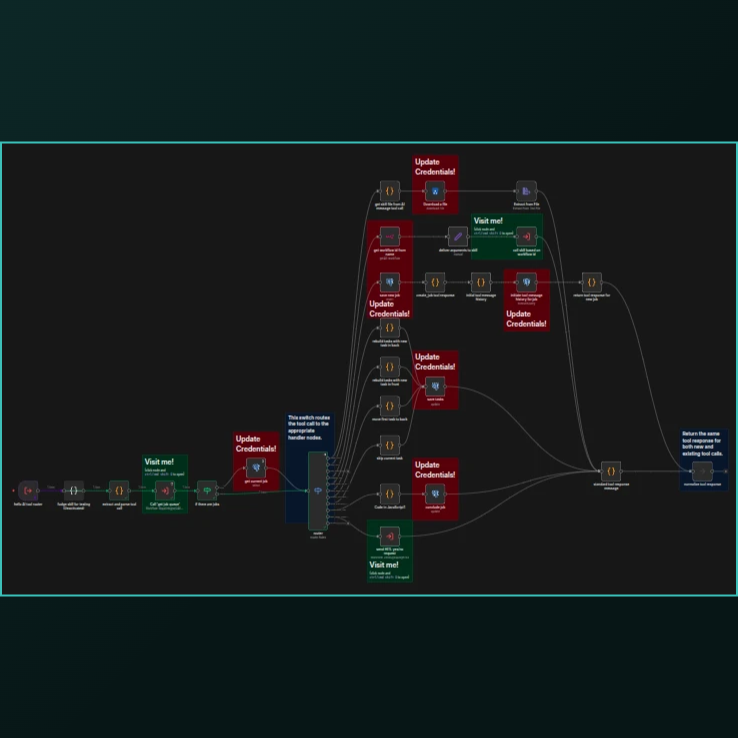
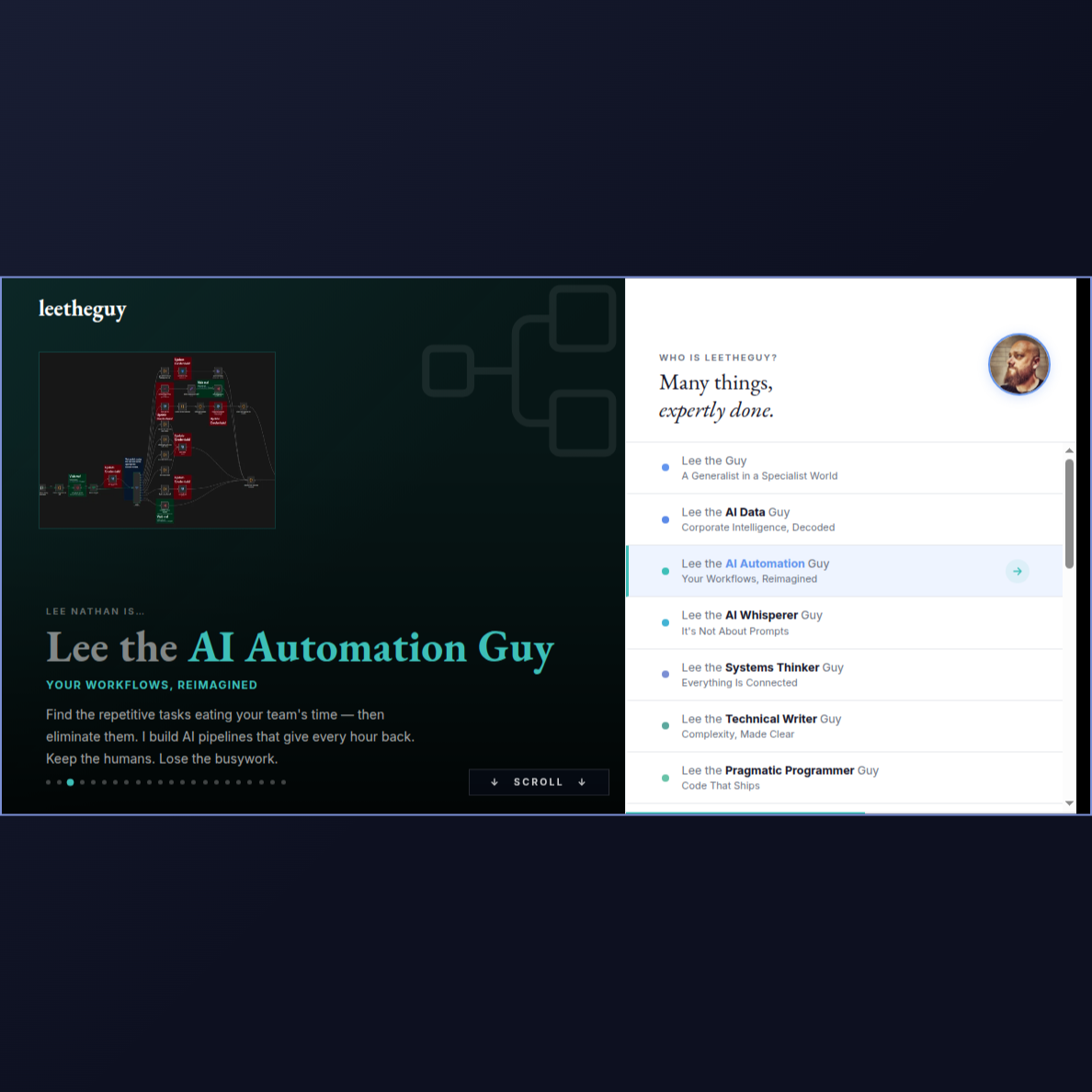
Lee the AI Automation GuyYour Workflows, Reimagined
-
Lee the AI Whisperer GuyIt's Not About Prompts. It's About Communication.
-
Lee the Systems Thinker GuyEverything Is Connected
-
Lee the Technical Writer GuyComplexity, Made Clear
-
Lee the Pragmatic Programmer GuyMaintainable Code That Ships
-
Lee the Productivity Expert GuyThe System That Finally Works
-
Lee the Eastern Wisdom GuyAncient Maps for Modern Problems
-
Lee the Off Grid Living GuyHow Little It Actually Takes
-
Lee the Mobile App Developer GuyPocket-Sized Solutions
-
Lee the Neurodivergent GuyA Different Operating System
-
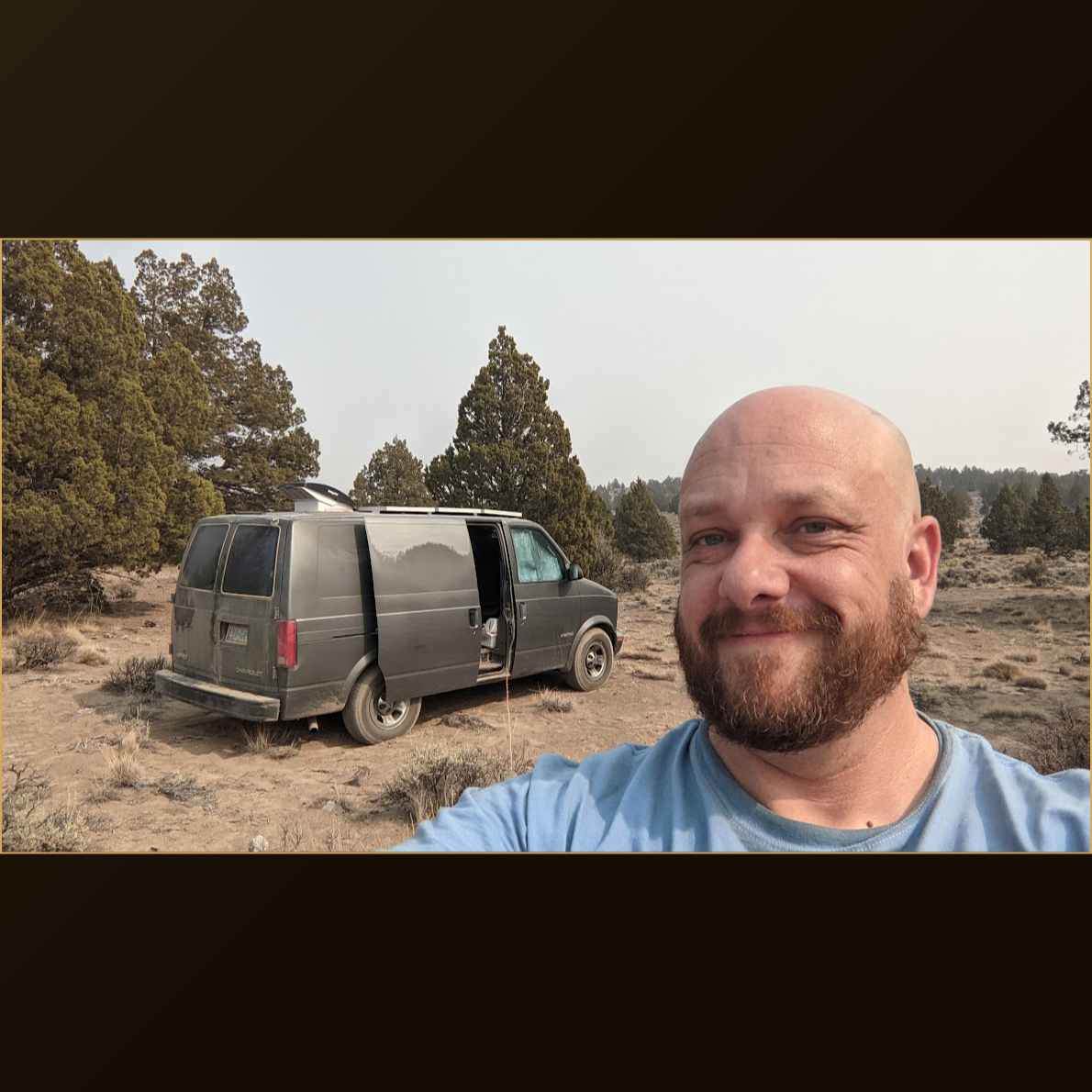
Lee the Nomad GuyPortable by Design
-
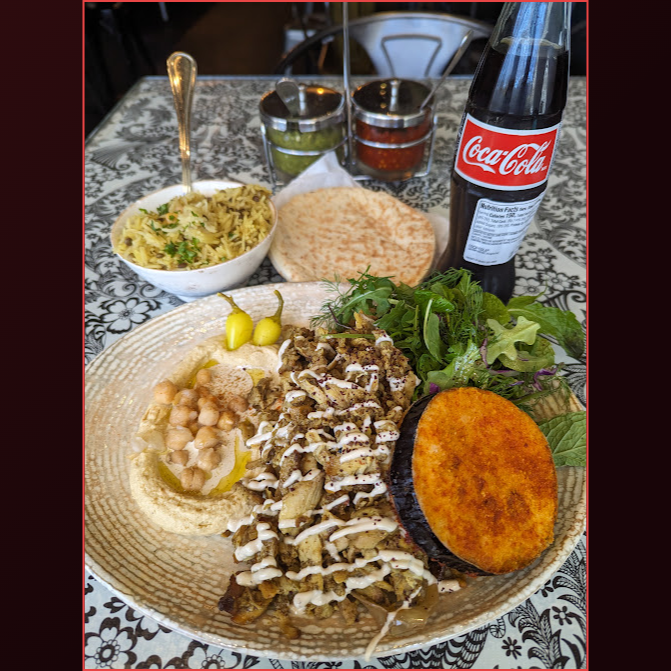
Lee the Foodie GuyLife Is Too Short for Bad Meals
-
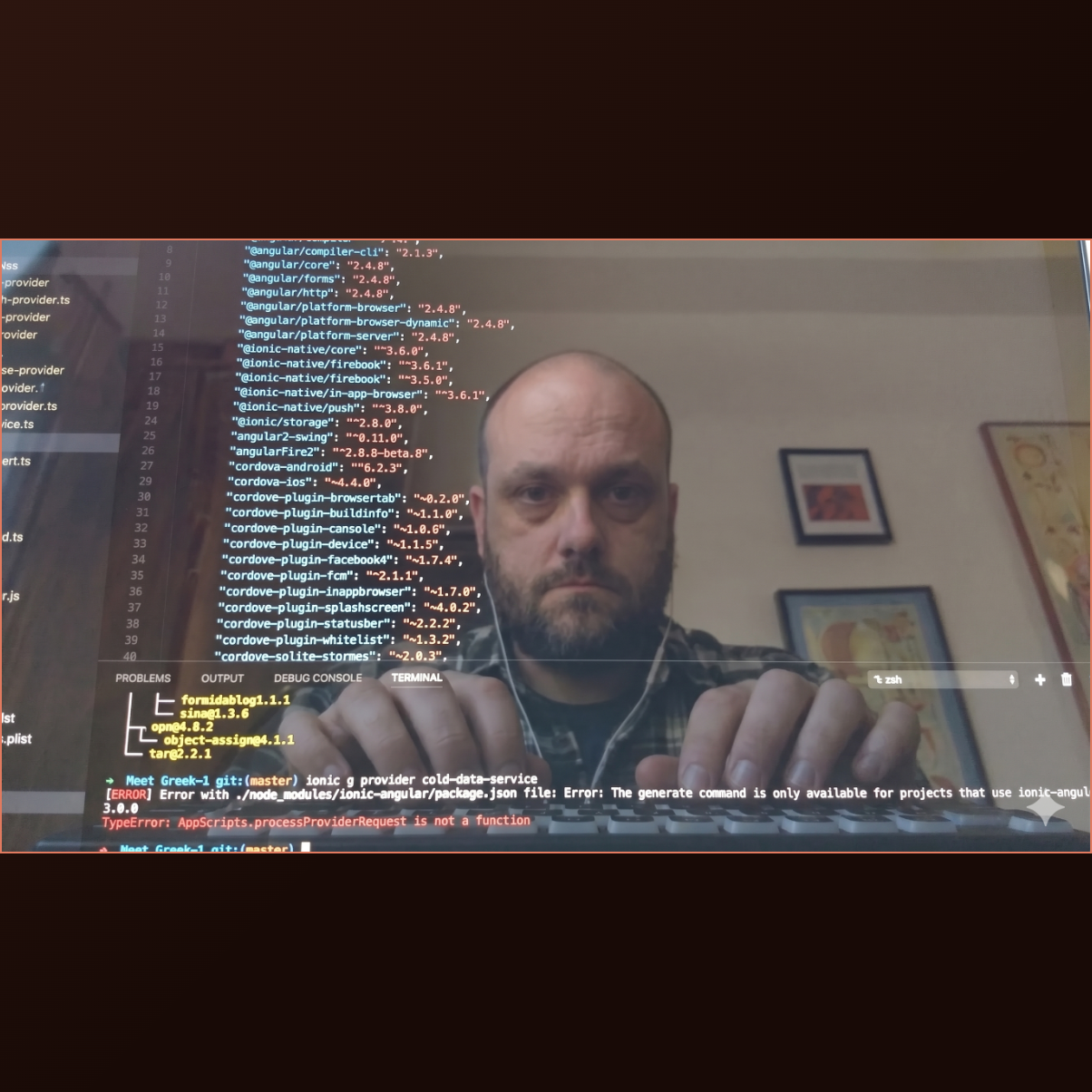
Lee the Full Stack Dev GuyFront to Back, Start to Ship
-
Lee the Dog Trainer GuyCare Is the Strategy
-
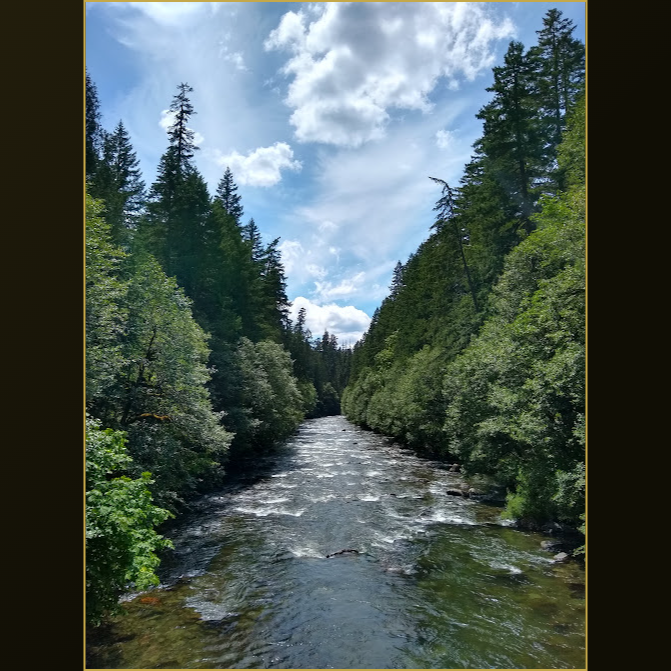
Lee the Photographer GuyLight, Composition, Moment
-
Lee the Techy GuyIf It Exists, I Want to Know How It Works
-
Lee the Philosopher GuyBetter Questions, Better Answers
-
Lee the Maker GuyBuilt With My Own Hands
-
Lee the Auto Mechanic GuyEvery Problem Has a Root Cause
-
Lee the Revolutionary GuyThe Pattern You Haven't Named Yet
AI is the specialist now.
For decades, "pick a lane" was good advice. The problems were simpler. The domains were separate. That's not the world anymore. Today's problems bleed across disciplines — they need someone who can read the whole board, not just their corner of it. That's what I do.
The insight that fixes your marketing problem might live in systems engineering. The framework that unlocks your team might come from game design. A generalist doesn't just bring more tools — they bring the whole workshop.
Specialists optimize for the world they trained in. Generalists are always mid-pivot — it's the default mode. Uncertainty isn't a problem to solve. It's a medium to work in.
The more systems you've studied, the more you see the same patterns wearing different clothes. That's not trivia — it's a diagnostic superpower.
AI doesn't replace generalists. It was built for them.
Specialists use AI to go deeper in one lane. I use it to go deep in all of them — at the same time. The result is something that didn't exist five years ago: one person with the knowledge density of a full team, available without the org chart.
What used to take a research team a week, I deliver in hours — with context, synthesis, and a point of view attached. Not by cutting corners. I know the strengths and weaknesses of AI and play it like an instrument.
With AI as a learning accelerant, I reach working fluency in a new domain faster than most specialists can pivot out of their old one.
Reports. Scripts. Automations. Frameworks. Decks. The deliverable fits the problem — not the other way around. I don't have a hammer. I have a foundry.
You probably have a problem
that doesn't have a job title.
The best work I've ever done didn't fit a category. Someone had a messy, undefined, doesn't-fit-the-org-chart problem — and needed someone willing to actually figure it out.